
By Gaby Dufresne-Cyr, CBT-FLE
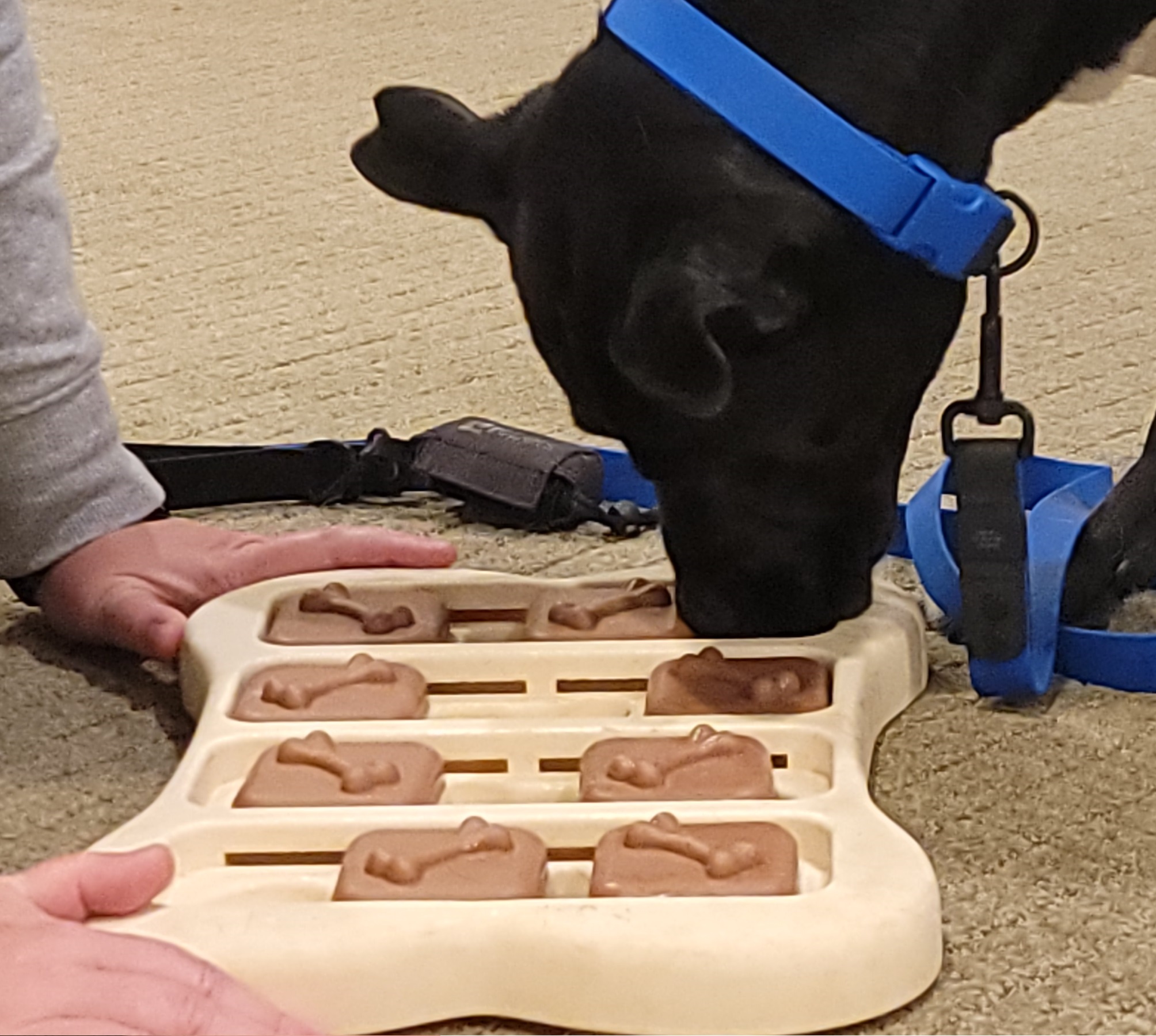
In today’s digital age, online courses are everywhere, promising to teach everything from basic obedience to complex behaviour modification. While virtual learning can introduce theory, it simply cannot match the depth, precision, and emotional engagement of hands-on training. For aspiring professional dog trainers, nothing replaces the transformative experience of learning in person, especially when it comes to building skills that last a lifetime.
Training Your Senses
Dog training is a multisensory profession. Every session with a dog involves far more than giving cues, you feel the leash in your hand, see the subtle shift in posture, hear the change in breathing, and notice the flick of an ear that signals attention or hesitation. These real-time observations activate multiple senses, which cognitive science tells us strengthens memory and improves long-term skill retention. Watching a video might show you what to do, but feeling the moment when a dog understands you locks the lesson into both mind and body.
Live, in-person training also offers something no video platform can: instant, personalized feedback from an experienced teacher. Timing a reward a fraction of a second late or unintentionally leaning toward the dog during a cue can completely change the outcome of an exercise. In a real-world setting, a skilled instructor can identify and correct those details in the moment, before they become bad habits. This immediate guidance accelerates learning and builds the kind of muscle memory and situational awareness that define professional excellence.
In Person Learning Trains the Limbic System
Then there’s the emotional impact. Training a dog in person means building a genuine connection, not only with the animals, but with your own developing skills. The excitement of a breakthrough, the challenge of a stubborn case, the quiet moment of trust when a dog looks to you for guidance, these experiences are emotionally charged, and neuroscience shows that emotion-rich learning is remembered more vividly and for longer. Virtual lessons can teach you about training, but in-person experiences teach you to be a trainer.
At Dogue Academy, I believe future trainers deserve more than a digital education. Since 1999, my hands-on programs in Montreal, Quebec have helped students master the art and science of dog training by combining proven learning theories with live, sensory-rich practice. Graduates don’t just leave with a certificate, they leave with the confidence, skill, and emotional insight needed to thrive in a profession built on trust, timing, and empathy.
Dogs live in the real world, and the best way to learn how to train them is to meet them there, leash in hand, senses engaged, ready to work side by side. If you’re ready to go beyond the screen and become a truly skilled, certified professional dog trainer, Dogue Academy is where your journey begins.