
By Gaby Dufresne-Cyr, CBT-FLE
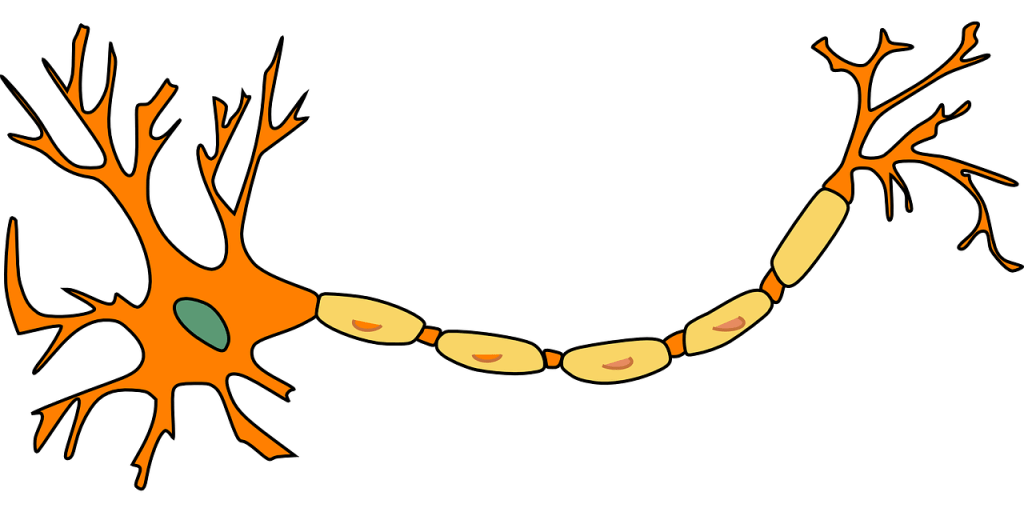
Learning is an essential part of any animal's life, especially for dogs. Whether a puppy is being taught to sit or an adult dog is learning advanced skills, the brain undergoes complex changes that facilitate new behaviours and reinforce old ones. These changes are not just behavioural but are deeply rooted in the neurochemical processes of the brain. Understanding these processes can shed light on why certain training methods are more effective and how dogs learn at a biological level.
Neurotransmitters: The Brain's Chemical Messengers
When a dog learns, several neurotransmitters are involved in processing and reinforcing new information. Neurotransmitters are the brain’s chemical messengers that relay signals between neurons, playing a crucial role in memory formation, attention, motivation, and emotional regulation.
1. Dopamine: The Reward Molecule
Dopamine is a critical neurotransmitter that plays a pivotal role in the reward system of the brain. When a dog learns something new and is rewarded, dopamine levels in the brain rise. This surge in dopamine creates a sense of pleasure and satisfaction, encouraging the dog to repeat the behaviour. The release of dopamine strengthens the neural pathways associated with the learned behaviour, making it easier for the dog to perform the task in the future.
According to research, dopamine is particularly active in the brain’s basal ganglia, a region responsible for motor control and habit formation . This explains why consistent positive reinforcement training is so effective. Each reward stimulates the production of dopamine, reinforcing the desired behaviour.
2. Acetylcholine: Enhancing Attention and Learning
Acetylcholine is another neurotransmitter that plays a crucial role in learning and attention. When a dog is focused on a task, such as listening to a command or observing a new environment, acetylcholine levels increase. This neurotransmitter is primarily involved in enhancing cognitive processing and memory formation. It helps the dog retain information and stay alert during training sessions.
Studies show that acetylcholine is especially active in the hippocampus, the brain region responsible for forming new memories . A well-stimulated hippocampus allows the dog to remember and recall learned behaviours effectively. This neurotransmitter also helps the brain prioritize relevant information, making it essential in any learning process, particularly in environments with distractions.
3. Serotonin: Regulating Mood and Emotion
Serotonin is often associated with mood regulation, but it also plays a role in learning by regulating stress levels and emotional responses. In high-stress situations, such as when a dog is frightened or confused, serotonin levels drop, which can impede learning. A calm and relaxed dog has higher serotonin levels, making it more receptive to new information.
Research shows that dogs with low serotonin levels may experience anxiety or aggression, which can interfere with learning and behaviour modification . Therefore, maintaining a positive and stress-free environment during training is crucial for fostering effective learning.
4. Norepinephrine: Enhancing Alertness and Focus
Norepinephrine is a neurotransmitter linked to arousal and focus. When a dog is learning something new, its brain needs to be in a heightened state of alertness, and norepinephrine ensures that the dog is fully engaged in the task. This neurotransmitter is released in response to stimulating activities, enhancing the dog’s ability to concentrate and stay motivated.
However, norepinephrine is also tied to the fight or flight response, so its release needs to be balanced. While a certain level of alertness is helpful for learning, too much can lead to anxiety, making it harder for the dog to process new information.
Long-Term Potentiation: Strengthening Learning Pathways
Beyond neurotransmitters, learning in dogs also involves structural changes in the brain. One of the key processes in long-term learning is long-term potentiation (LTP). LTP is a process where repeated stimulation of neural pathways strengthens the synapses between neurons, making it easier for the brain to retrieve and use learned information.
Every time a dog repeats a learned behaviour, such as sitting on command, the synaptic connections responsible for that behaviour become stronger. This process is facilitated by a combination of neurotransmitters and electrical signals in the brain. Over time, these reinforced pathways make the behaviour more automatic for the dog, requiring less conscious effort.
Oxytocin: The Social Bonding Chemical
Training is not just about learning commands; it is also about the relationship between the dog and its owner. Oxytocin, often called the love hormone, plays a significant role in social bonding and can enhance the learning process. When a dog interacts positively with its owner during training, oxytocin levels rise in both the dog and the human. This neurochemical bond reinforces trust and security, which are essential for effective learning. Dogs that have strong bonds with their trainers or owners are more likely to be motivated, less stressed, and better learners overall.
The Role of Experience and Genetics
While neurochemicals like dopamine and serotonin play an immediate role in learning, a dog’s genetic makeup and prior experiences also influence how effectively its brain can adapt. Some breeds may have a natural predisposition for certain types of learning, such as herding or hunting, due to their evolutionary history. Additionally, early experiences, particularly during a puppy’s critical learning period, can shape how the brain responds to new information later in life.
How Understanding Neurochemistry Enhances Dog Training
Understanding the neurochemical changes that occur in a dog’s brain during learning can help trainers, owners, and researchers develop more effective training methods. Positive reinforcement, which stimulates dopamine release, is an essential tool in shaping behaviour. Additionally, maintaining a stress-free environment promotes serotonin production, further facilitating learning.
The science behind learning is complex, but by leveraging what we know about the neurochemical processes in a dog’s brain, we can create training experiences that are not only effective but also enriching for our canine companions.
References:
- Dodman, N. (2016). The Well-Adjusted Dog: Dr. Dodman’s Seven Steps to Lifelong Health and Happiness for Your Best Friend. Houghton Mifflin Harcourt.
- Burch, M. (2020). Training the Best Dog Ever: A 5-Week Program Using the Power of Positive Reinforcement. Workman Publishing.
- Panksepp, J. (2004). Affective Neuroscience: The Foundations of Human and Animal Emotions. Oxford University Press.
- Yin, S. (2011). Perfect Puppy in 7 Days: How to Start Your Puppy Off Right. CattleDog Publishing.